
Cinematography Techniques: Learning Through Innovation

Cinematography is more than just capturing images; it is about telling stories through visual artistry. As technology evolves, so do the techniques filmmakers use to create compelling narratives. This blog post explores various cinematography techniques that have emerged through innovation, providing insights into how they enhance storytelling and engage audiences.
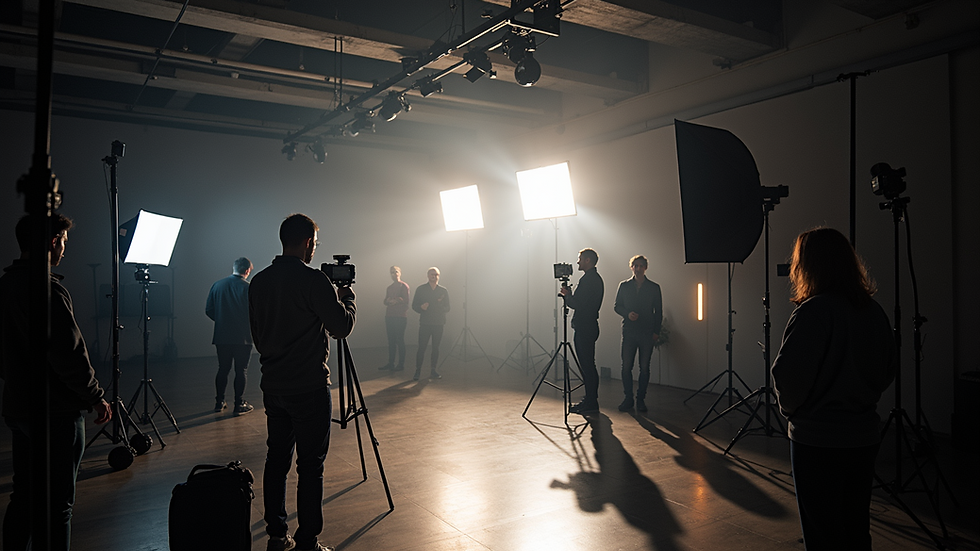
Understanding Cinematography
Cinematography is the art of photography and visual storytelling in film. It involves the composition of shots, the use of lighting, camera movement, and the selection of lenses to create a specific mood or atmosphere. The cinematographer, or director of photography (DP), plays a crucial role in this process, making decisions that impact how the audience perceives the story.
The Role of the Cinematographer
The cinematographer is responsible for translating the director's vision into visual language. This includes:
Choosing Camera Angles: Different angles can evoke various emotions. For example, a low-angle shot can make a character appear powerful, while a high-angle shot can make them seem vulnerable.
Lighting: The use of light and shadow can create depth and texture, influencing the mood of a scene.
Color Grading: Adjusting colors in post-production can enhance the emotional tone of the film.
Camera Movement: Techniques such as panning, tilting, and tracking can add dynamism to a scene.
Innovative Techniques in Cinematography
As technology advances, cinematographers have access to new tools and techniques that allow for greater creativity. Here are some innovative techniques that have emerged in recent years:
1. Drone Cinematography
Drones have revolutionized aerial photography, allowing filmmakers to capture stunning landscapes and dynamic shots that were previously difficult or impossible to achieve.
Advantages: Drones provide a cost-effective solution for aerial shots, offering flexibility and mobility. They can fly at various altitudes and angles, providing unique perspectives.
Example: In the film "The Revenant," drone shots were used to capture the vastness of the wilderness, enhancing the film's immersive experience.
2. Virtual Reality (VR) and 360-Degree Filmmaking
Virtual reality and 360-degree filmmaking allow viewers to experience a story from multiple angles, creating an immersive environment.
Advantages: This technique engages audiences in a way traditional films cannot. Viewers can look around and explore the environment, making them feel part of the story.
Example: The short film "The Invisible Man" utilized 360-degree filming to create a sense of presence, allowing viewers to experience the protagonist's fear and isolation.
3. High Dynamic Range (HDR) Imaging
HDR imaging captures a wider range of colors and brightness levels, resulting in more vibrant and lifelike images.
Advantages: HDR enhances the visual quality of films, making them more appealing to audiences. It allows for greater detail in both shadows and highlights.
Example: "Guardians of the Galaxy Vol. 2" utilized HDR to create visually stunning scenes that pop with color and detail.
4. Motion Control Photography
Motion control photography involves using robotic cameras to create precise and repeatable camera movements.
Advantages: This technique allows filmmakers to achieve complex shots that would be difficult to replicate manually. It is particularly useful for visual effects and compositing.
Example: In "The Matrix," motion control was used to create the iconic bullet-dodging scene, where the camera moves around the character in slow motion.
5. Practical Effects and In-Camera Techniques
While digital effects have become prevalent, many filmmakers are returning to practical effects and in-camera techniques to create authentic visuals.
Advantages: Practical effects can enhance realism and provide a tangible quality that digital effects sometimes lack.
Example: "Mad Max: Fury Road" relied heavily on practical effects, using real vehicles and stunts to create thrilling action sequences.
The Impact of Technology on Cinematography
The evolution of technology has significantly impacted cinematography, providing filmmakers with new tools and techniques to enhance their storytelling.
Digital Cameras
The transition from film to digital cameras has made filmmaking more accessible. Digital cameras offer:
Higher Sensitivity: They perform better in low-light conditions, allowing for more creative shooting options.
Immediate Feedback: Filmmakers can review shots instantly, making adjustments on the fly.
Software and Post-Production
Advancements in software have transformed post-production, allowing for more sophisticated editing and visual effects.
Color Grading Software: Programs like DaVinci Resolve enable filmmakers to manipulate colors and create specific moods.
Visual Effects Software: Tools like Adobe After Effects allow for seamless integration of visual effects into live-action footage.
Learning Through Innovation
As filmmakers embrace new technologies and techniques, they also learn from the past. Understanding traditional cinematography principles is essential for mastering innovative techniques. Here are some ways to learn through innovation:
Study Classic Films
Analyzing classic films can provide valuable insights into effective cinematography techniques. Pay attention to:
Composition: How shots are framed and the use of negative space.
Lighting: The interplay of light and shadow in creating mood.
Camera Movement: How movement enhances storytelling.
Experiment with New Tools
Filmmakers should not shy away from experimenting with new tools and techniques. This can include:
Using Drones: Try incorporating drone shots into your projects to explore new perspectives.
Exploring VR: Experiment with 360-degree filming to create immersive experiences.
Collaborate with Others
Working with other filmmakers can provide fresh perspectives and ideas. Collaboration can lead to innovative solutions and techniques that enhance storytelling.
Conclusion
Cinematography is an ever-evolving art form that thrives on innovation. By embracing new technologies and techniques, filmmakers can enhance their storytelling and engage audiences in new ways. Whether through drone cinematography, VR, or practical effects, the possibilities are endless. As you explore these techniques, remember to stay grounded in the principles of cinematography that have stood the test of time.
The world of cinematography is a canvas waiting for your creativity. Dive in, experiment, and let your vision shine through the lens.


Comments